
Osoby szukające możliwości rozpoczęcia gry od niewielkiej kwoty mogą sprawdzić kasyno online BLIK 5 zł i porównać dostępne opcje płatności. Warto zwrócić uwagę na minimalne depozyty, warunki bonusów oraz zasady wypłat przed wyborem konkretnej oferty.
Osoby szukające atrakcyjnych ofert mogą sprawdzić kod promocyjny kasyno bez depozytu 2026, aby poznać dostępne bonusy i najważniejsze warunki ich wykorzystania. Zestawienie pomaga łatwiej porównać promocje kasyn online dostępne dla graczy w Polsce.
Osoby szukające atrakcyjnych promocji mogą sprawdzić kasyno z bonusem na start bez depozytu 2026, porównując dostępne oferty i ich warunki. Warto zwrócić uwagę na wymagania dotyczące aktywacji bonusu, obrotu oraz wypłaty wygranych.
Osoby zainteresowane grą online mogą sprawdzić najlepsze europejskie kasyna online 2026, porównując dostępne opcje pod kątem oferty, metod płatności i warunków bonusów. Taki przegląd ułatwia ocenę rynku oraz wybór serwisu dopasowanego do potrzeb polskich graczy.
Dla osób ceniących sprawne transakcje przygotowaliśmy zestawienie ofert, w którym szczególną uwagę poświęcono kasynom z natychmiastową wypłatą. Ranking uwzględnia szybkość realizacji przelewów oraz najważniejsze warunki wypłat obowiązujące w 2026 roku.
Osoby szukające korzystnych warunków gry mogą sprawdzić kasyno z najniższą wpłatą, aby porównać dostępne opcje i minimalne kwoty depozytu. Warto również zwrócić uwagę na metody płatności, bonusy oraz przejrzystość warunków przed wyborem konkretnej oferty.
Osoby szukające atrakcyjnych ofert mogą sprawdzić 10 zł bez depozytu bonus kasyno 2026, aby poznać najważniejsze zasady korzystania z tego typu promocji. Warto również zwrócić uwagę na warunki bonusów, wymagania dotyczące obrotu oraz legalność operatora przed rozpoczęciem gry.
Osoby szukające atrakcyjnych promocji mogą sprawdzić 100 zł bez depozytu w kasynie i dowiedzieć się, jakie warunki obowiązują przy tego typu bonusach. Warto porównać dostępne oferty oraz dokładnie zapoznać się z zasadami ich wykorzystania.
Jeśli interesują Cię kasyna z bonusem 20 zł bez depozytu, warto sprawdzić dostępne oferty oraz najważniejsze warunki promocji. W poradniku znajdziesz również informacje o niskich wpłatach i płatnościach BLIK.
Dla osób szukających atrakcyjnych promocji warto sprawdzić kasyno bez depozytu 2026, gdzie zebrano informacje o bonusach oraz dostępnych metodach wpłat. To przydatne źródło dla graczy zainteresowanych ofertami z bonusami 40–100 zł i niskimi kwotami pierwszej wpłaty.
Osoby szukające atrakcyjnych promocji mogą sprawdzić 50 zł bez depozytu w kasynie i dowiedzieć się, na jakich zasadach działają tego typu bonusy. Warto również zwrócić uwagę na warunki promocji oraz dostępne gry przed podjęciem decyzji.
Dla osób szukających atrakcyjnych promocji warto sprawdzić 10 zł bez depozytu bonus kasyno 2026, zwracając uwagę na zasady aktywacji oraz warunki wypłaty. Takie zestawienie ułatwia porównanie dostępnych ofert i wybór promocji dopasowanej do własnych oczekiwań.
Osoby szukające atrakcyjnych promocji mogą sprawdzić 100 zł bez depozytu w kasynie, zwracając uwagę na aktualne warunki oraz wymagania bonusowe. Warto porównać dostępne oferty i dokładnie zapoznać się z zasadami ich wykorzystania.
Osoby zainteresowane promocjami kasyn online mogą sprawdzić kasyno 100 zł bez depozytu 2026, aby poznać najważniejsze informacje dotyczące bonusów i warunków rejestracji. Warto również zwrócić uwagę na kwestie legalności oraz wymagania związane z wykorzystaniem dostępnych ofert w Polsce.
Dla osób szukających atrakcyjnych promocji warto sprawdzić 20 zł bez depozytu bonus kasyno 2026, aby poznać najważniejsze zasady takich ofert. Przewodnik przedstawia kluczowe informacje dotyczące warunków bonusów i ich wykorzystania.
What if the most dangerous part of a DeFi transaction happens before you click “Confirm”? A wallet may show the token, amount, and network fee, yet the transaction can still behave differently once it reaches a decentralized exchange, lending protocol, or smart contract. The reason is that signing authorizes code to act on your behalf; it does not guarantee that the surrounding market or execution environment will remain unchanged.
Transaction simulation addresses the first half of this problem. It estimates what a proposed transaction would do before it is submitted, helping users detect unexpected transfers, approvals, contract failures, and balance changes. MEV protection addresses a different layer: the possibility that other market participants observe or influence a transaction while it is waiting to be included in a block. Understanding that distinction is essential. Simulation is a pre-trade security check, not a universal shield against every form of extraction or manipulation.
What transaction simulation actually examines
A blockchain transaction contains instructions, but the visible interface often compresses those instructions into a friendly description such as “swap ETH for USDC.” A simulator executes the transaction against a representation of the current blockchain state without broadcasting it as a finalized transaction. The result can reveal which assets are expected to leave the wallet, which assets may arrive, what approvals are created, whether a contract call is likely to revert, and how the wallet’s portfolio may change.
That makes simulation especially useful for transactions whose risk is difficult to infer from a button label. An unlimited token approval, for example, may not move funds immediately, but it can authorize a contract to spend tokens later. A permit signature may appear off-chain while still granting powerful spending rights. A malicious or compromised application may request a transfer that is technically valid but inconsistent with the user’s intention. Simulation helps translate low-level contract behavior into a decision a human can inspect.
For US-based DeFi users, the practical value is often greatest during routine activity: connecting to a new protocol, claiming an incentive, migrating liquidity, or signing an approval after a website update. Familiarity can reduce attention. Simulation creates a deliberate pause between the application’s request and the wallet’s authorization screen.
The sharper mental model: simulation is a forecast, not a replay of the future
A common misconception is that a successful simulation proves a transaction is safe. It does not. The simulation is conditional on the state, inputs, and execution environment used at the time it runs. Between simulation and inclusion, token prices can move, liquidity can change, a contract’s state can be updated, or another transaction can be processed first.
Consider a decentralized exchange swap. The simulator may estimate the output amount and show that the call succeeds at the current state. If the transaction is delayed, however, the pool balance may change and the final output can fall toward the user’s slippage limit. The transaction may still be valid while producing a materially worse result. Simulation can expose the expected effect and some failure conditions, but it cannot remove market risk or guarantee the exact future execution path.
There is also an information boundary. A simulator can model observable contract execution; it cannot reliably infer whether a project team is trustworthy, whether a token’s economics are sustainable, or whether a website has been socially engineered. Code can behave normally during simulation and become dangerous later if it includes upgrade mechanisms, mutable permissions, or external dependencies. In other words, simulation is strongest at detecting “what will this call try to do now?” It is weaker at answering “will this system remain trustworthy over time?”
Where MEV enters the picture
MEV, or maximal extractable value, describes value that can be gained by controlling transaction ordering, inclusion, or exclusion within block production. The term is broader than sandwich attacks, although sandwiching is the most recognizable example. A searcher may observe a pending swap, place a transaction before it to move the price, and place another after it to capture part of the resulting price impact.
Simulation and MEV protection therefore operate on different objects. Simulation inspects the consequences of your transaction in a specified state. MEV protection tries to reduce the chance that your pending transaction becomes useful information to adversarial or opportunistic participants before execution. A wallet may support private transaction routing, protected submission paths, or warnings about price impact and slippage, but the exact protection depends on the network, the route used, and the infrastructure available at that moment.
This distinction matters because a transaction can pass simulation and still be exposed to ordering risk. If the trade is publicly visible in a mempool, other participants may react to it. Conversely, private routing can reduce public visibility without telling you whether the contract call itself requests an unsafe approval. Security is layered: simulation checks intent and effects; routing controls information exposure; slippage settings limit how much price movement the user is willing to tolerate.
How to use Rabby Wallet’s security workflow intelligently
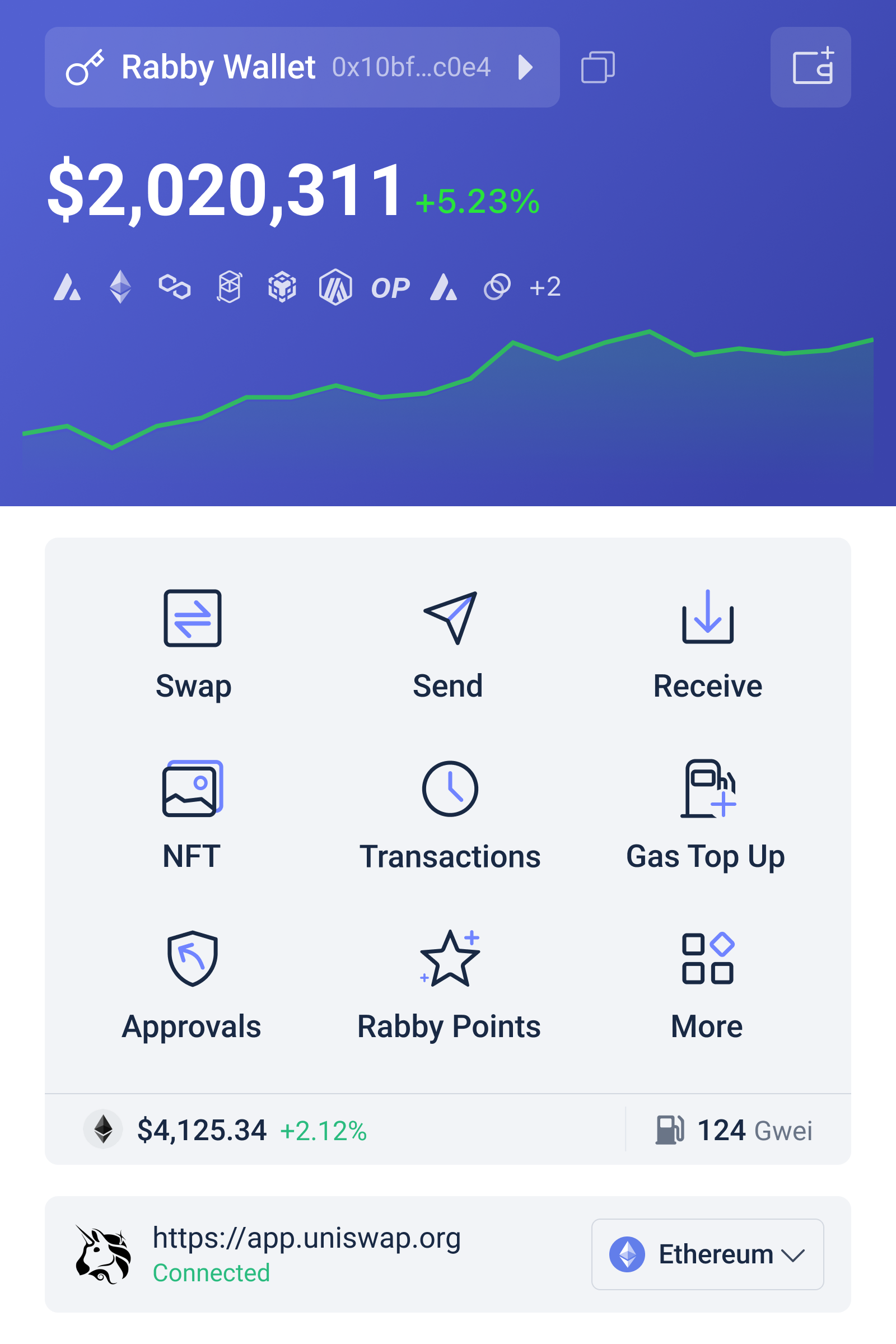
Rabby Wallet is positioned as a wallet for Ethereum and EVM networks, with transaction review and simulation features intended to make on-chain actions easier to inspect before signing. Readers evaluating the current product information can learn more through https://rabby-wallet.at/. The useful question is not whether a wallet makes DeFi risk disappear, but whether it gives the user better information at the point where authorization becomes irreversible.
A disciplined review can follow four questions. First: what exact assets are leaving, and what assets are expected in return? Second: which permissions are being created, especially token allowances that may persist beyond the current action? Third: does the transaction fail under unfavorable conditions, or could it succeed while producing an outcome the user would not accept? Fourth: is the transaction exposed to ordering or timing risk, and is the chosen slippage tolerance consistent with the market?
Warnings deserve interpretation rather than automatic dismissal. A contract interaction involving an unfamiliar address is not necessarily malicious, and a warning does not by itself prove an exploit. But repeated warnings, unexplained approvals, an unexpected recipient, or a mismatch between the application’s description and the simulated result should stop the workflow. Security tools are most effective when they change behavior—not when users train themselves to click through them.
Important limitations and operational trade-offs
Simulation quality depends on data quality. It may rely on a node’s view of the chain, an execution trace, token metadata, and assumptions about how the transaction will be submitted. Differences between networks, RPC providers, and rapidly changing contract state can affect the result. A simulation that looks clear on one chain does not automatically transfer to another, even when the application interface appears identical.
MEV protection also involves trade-offs. Private submission may reduce exposure to public mempool observers, but it can introduce dependence on specialized infrastructure and may behave differently during congestion or outages. A protected route is not the same as guaranteed fair execution. Nor does it prevent all forms of value extraction: a transaction can still receive a poor price because of low liquidity, excessive slippage, oracle behavior, or a flawed protocol design.
The safest operational posture is therefore layered rather than absolute. Use simulation to verify effects. Keep approvals narrow where practical and revoke permissions that are no longer needed. Set slippage according to the asset and liquidity conditions rather than copying a default. Verify the domain and contract address independently when an action is unusual. For significant positions, consider a separate wallet with limited funds and avoid treating a clean simulation as a substitute for protocol due diligence.
What to watch next
The direction of wallet security is likely to depend on how well these layers become understandable to ordinary users. If simulation results remain technical, people may ignore them. If they become clearer—showing permissions, counterparties, balance changes, and execution uncertainty in one review—wallets could shift from passive signing tools toward active transaction-control interfaces.
The unresolved issue is standardization. Different applications and chains expose different information, and no single warning system can perfectly classify intent or trustworthiness. A useful future design would distinguish a harmless contract failure from a dangerous authorization, and a normal price movement from evidence of ordering risk. Until those distinctions are consistently available, user judgment remains part of the security model.
Frequently asked questions
Does transaction simulation prevent MEV?
No. Simulation estimates what a transaction is likely to do under a particular blockchain state. MEV protection concerns who can observe, reorder, or react to the transaction before inclusion. The two features complement each other but solve different problems.
Can a simulated transaction still be dangerous?
Yes. A transaction may be simulated successfully while requesting an excessive approval, interacting with an upgradeable contract, or becoming unfavorable after market conditions change. Treat the simulation as evidence about the proposed execution, not as a permanent safety certification.
What is the most useful habit for DeFi users?
Compare the application’s stated purpose with the wallet’s detailed transaction result before signing. If the recipient, approval, asset movement, or expected outcome is unclear, pause and investigate. For high-value trades, combine that review with conservative slippage, appropriate routing, and a wallet balance sized for the task.
Najnowsze komentarze